
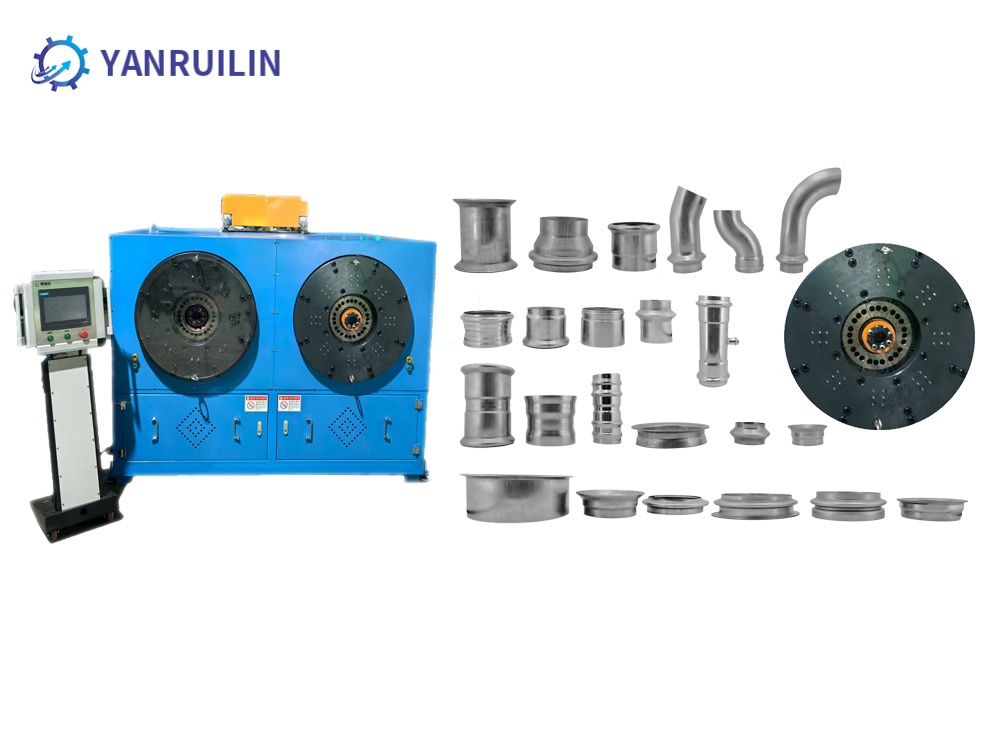
In modern manufacturing, IO forming machines play a critical role in optimizing production efficiency and ensuring product quality. Selecting the right equipment tailored to your production line’s specific needs can significantly reduce operational costs and enhance market competitiveness. Below is a comprehensive guide to help navigate the selection process.
Assess Production Requirements First
Start by clarifying core production parameters. Consider the material types (e.g., metal sheets, plastic composites) and thicknesses you will process, as different IO forming machines are designed to handle specific material properties. Next, define output capacity needs—whether for small-batch precision production or large-scale mass manufacturing—since machine models vary in speed and throughput. Additionally, outline product specifications such as dimensions, shape complexity, and tolerance requirements, as these factors directly influence the machine’s forming precision and customization capabilities.
Evaluate Technical Performance and Reliability
Technical performance is a key determinant of long-term operational efficiency. Prioritize machines with stable forming accuracy, as consistent precision minimizes product defects and rework. Look for advanced control systems that offer user-friendly operation and real-time monitoring, enabling quick adjustments to production parameters. Reliability is equally important—assess the machine’s structural design, component quality, and maintenance requirements. Equipment with durable parts and simplified maintenance procedures can reduce downtime and extend service life.
Consider Compatibility and Scalability
The chosen IO forming machine should seamlessly integrate with your existing production line. Check compatibility with upstream feeding systems and downstream processing equipment to ensure smooth workflow continuity. Scalability is another crucial factor: opt for machines that can accommodate future production expansions or product upgrades, such as modular designs that support additional functions or higher processing capacities. This flexibility helps adapt to changing market demands without significant equipment replacement costs.
Analyze Cost-Effectiveness
While upfront investment is a primary consideration, evaluate the total cost of ownership (TCO) rather than just the purchase price. TCO includes operational costs (energy consumption, raw material waste), maintenance expenses, and downtime losses. Machines with high energy efficiency and low material waste can deliver long-term savings. Additionally, consider the availability of spare parts and after-sales support—timely technical assistance and readily available components minimize production disruptions.
Verify Industry Standards and Compliance
Ensure the IO forming machine meets relevant industry standards and safety regulations. Compliance with quality management systems (e.g., ISO certifications) guarantees consistent performance and product quality. Safety features such as emergency stop mechanisms, protective enclosures, and automatic error detection are non-negotiable to safeguard operational safety and avoid regulatory penalties.
Selecting the right IO forming machine requires a balanced consideration of production needs, technical performance, compatibility, cost-effectiveness, and compliance. By conducting thorough research and evaluating options based on these key factors, manufacturers can optimize their production processes, improve product quality, and achieve sustainable growth in a competitive market. Taking the time to choose wisely ensures that the equipment becomes a valuable asset rather than a bottleneck in your manufacturing operations.
यह वेबसाइट यह सुनिश्चित करने के लिए कुकीज़ का उपयोग करती है कि आपको हमारी वेबसाइट पर सर्वोत्तम अनुभव मिले।

 English
 Español
 Pусский
 Deutsch
 日本語
日本語 한국어
한국어 Italiano
 Türk dili
 Indonesia


टिप्पणी
(0)