
In the competitive landscape of mid-size manufacturing, where profit margins are tightly squeezed and operational efficiency is a make-or-break factor, energy costs have emerged as a critical pain point. For plants relying on tube processing—across automotive components, HVAC systems, industrial machinery, and metal fabrication—traditional hydraulic Tube end forming machines are often energy hogs, consuming excessive power during idle periods and inefficient operation. Against this backdrop, energy-saving Hydraulic tube end forming machines have become a strategic investment, helping mid-size plants slash energy bills, reduce operational costs, and enhance long-term competitiveness without compromising production performance.
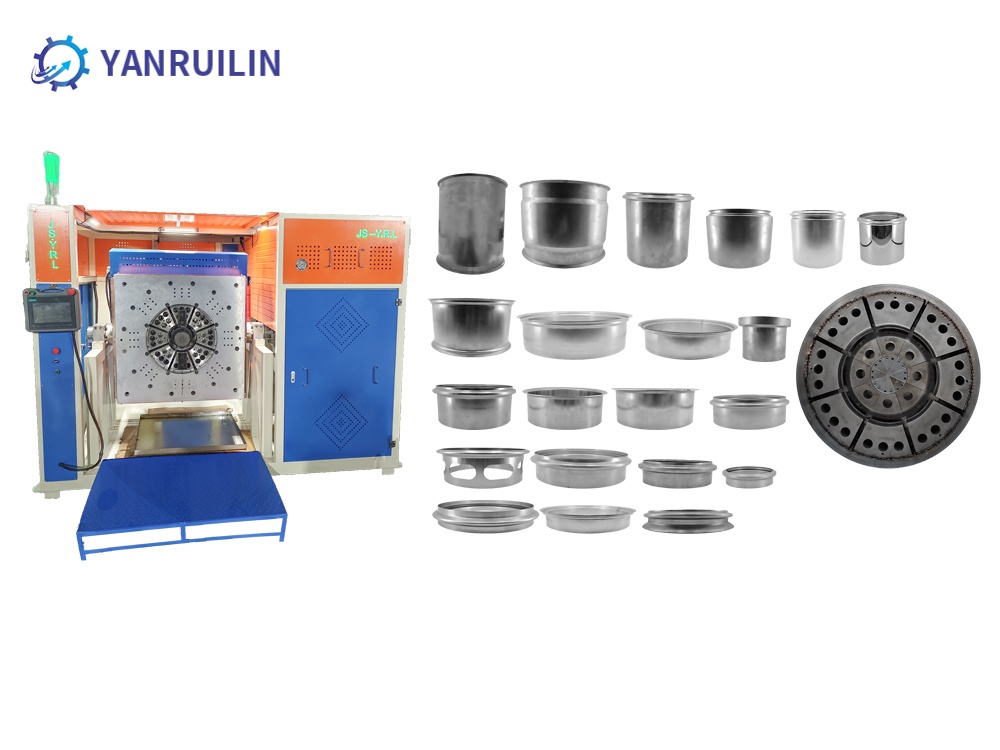
The Energy Burden of Traditional Hydraulic Equipment in Mid-Size Plants
Mid-size manufacturing plants face unique constraints that amplify the impact of energy inefficiency. Unlike large-scale facilities with economies of scale to absorb high energy costs, or small workshops with minimal equipment needs, mid-size plants operate with moderate production volumes (typically 10,000-50,000 tubes per month) and limited capital for major overhauls. Traditional hydraulic tube end forming machines exacerbate their challenges through two key flaws:
First, constant power draw during idle time. Most legacy hydraulic systems run on fixed-speed pumps that operate at full power even when the machine is not actively forming tubes—such as during setup, material loading, or between production batches. For mid-size plants with frequent job changes or intermittent production schedules, idle time can account for 30-40% of daily operation, resulting in wasted energy and inflated utility bills.
Second, inefficient pressure regulation. Traditional machines deliver a fixed level of hydraulic pressure regardless of the task, using excess energy to form thin-walled tubes or small-diameter components that require lower force. This "one-size-fits-all" approach not only wastes energy but also increases wear on components, leading to higher maintenance costs and unplanned downtime—both of which hit mid-size plants’ bottom lines hard.
Compounding these issues are rising global energy prices and growing regulatory pressure to reduce carbon footprints. For mid-size manufacturers already navigating supply chain volatility and labor costs, energy inefficiency has become an unsustainable drain on resources, pushing them to seek more cost-effective alternatives.
Core Energy-Saving Technologies: How Modern Hydraulic Machines Deliver Savings
Energy-saving hydraulic tube end forming machines address these inefficiencies through three innovative technologies tailored to mid-size plants’ needs:
Variable-Speed Drive (VSD) Pumps: Replacing fixed-speed pumps with VSD systems is the cornerstone of energy savings. These pumps adjust their speed and power output based on real-time demand—reducing power consumption to a minimum during idle time (by up to 70%) and delivering only the pressure needed for each forming task. For mid-size plants with variable production schedules, this translates to a 25-35% reduction in total energy use compared to traditional machines, cutting monthly energy bills significantly.
Intelligent Pressure and Flow Control: Equipped with advanced sensors and PLC (Programmable Logic Controller) systems, modern machines automatically optimize hydraulic pressure and flow for different tube materials (steel, aluminum, copper), diameters (8mm-50mm, the sweet spot for mid-size production), and forming processes (flaring, expanding, beading). For example, forming a thin aluminum tube requires far less pressure than a thick stainless steel tube—intelligent control ensures no excess energy is expended, further reducing consumption while maintaining precision.
Energy Recovery Systems: Some high-end models integrate energy recovery technology that captures and reuses hydraulic energy generated during the machine’s retraction cycle. This recycled energy powers subsequent forming operations, cutting overall energy demand by an additional 5-10%. While this feature adds modestly to upfront costs, the long-term savings make it a worthwhile investment for mid-size plants with consistent production volumes.
Beyond energy savings, these machines retain the core advantages of hydraulic technology—uniform pressure for precise, consistent tube forming (±0.02mm tolerance) and durability for heavy-duty use—ensuring mid-size plants don’t have to sacrifice quality or throughput for efficiency.
Quantifiable Cost Savings for Mid-Size Plants
The financial benefits of energy-saving hydraulic tube end forming machines are tangible for mid-size manufacturing plants:
Direct Energy Cost Reduction: With energy savings of 25-35%, a mid-size plant running two shifts daily can cut annual energy costs by
15,000 (depending on local energy rates and production volume). For plants operating in regions with high electricity prices, these savings can be even more substantial.
Lower Maintenance Costs: By reducing unnecessary wear on hydraulic components (pumps, valves, hoses) through optimized pressure control, these machines extend maintenance intervals by 30-40%. This translates to fewer parts replacements, less downtime, and savings of
3,000−
6,000 annually in maintenance expenses.
Improved Throughput Efficiency: Energy-saving machines often feature faster cycle times (5-10 seconds per tube) and quicker setup times (15-20 minutes per job) compared to legacy systems. For mid-size plants, this means higher production capacity without additional energy use—enabling them to take on more orders and increase revenue without inflating costs.
Market Drivers Accelerating Adoption
Several key trends are pushing mid-size manufacturing plants to adopt energy-saving hydraulic tube end forming machines:
Rising Energy Prices: Global energy markets’ volatility has made energy costs a top operational expense for mid-size plants, creating an urgent need for efficiency upgrades that deliver quick ROI (return on investment). Most energy-saving hydraulic machines pay for themselves within 12-24 months through reduced utility bills.
Sustainability Mandates: Governments worldwide are implementing carbon reduction targets and offering incentives (tax credits, grants) for manufacturers to invest in energy-efficient equipment. Mid-size plants are leveraging these incentives to offset upfront costs, making upgrades more financially feasible.
Competitive Pressure: As customers increasingly prioritize sustainable manufacturing practices, mid-size plants are using energy-saving equipment to enhance their environmental credentials and win high-value contracts. Energy efficiency has become a competitive differentiator in industries from automotive to HVAC.
Lean Manufacturing Trends: Mid-size plants are adopting lean principles to eliminate waste—including energy waste. Energy-saving hydraulic machines align with these goals, helping plants streamline operations and reduce overhead costs.
A Strategic Investment for Mid-Size Success
For mid-size manufacturing plants, energy-saving hydraulic tube end forming machines are more than just equipment upgrades—they are a strategic tool to navigate cost pressures and build resilience. By cutting energy and maintenance costs, improving throughput, and supporting sustainability goals, these machines enable mid-size plants to compete with larger manufacturers while retaining their agility and flexibility.
As energy prices and regulatory scrutiny continue to rise, the decision to invest in energy-saving hydraulic technology is no longer optional but essential for long-term profitability. For mid-size plants looking to reduce operational costs without sacrificing quality or capacity, energy-saving hydraulic tube end forming machines offer a clear path to success—delivering immediate savings and sustainable growth in an increasingly challenging market.
यह वेबसाइट यह सुनिश्चित करने के लिए कुकीज़ का उपयोग करती है कि आपको हमारी वेबसाइट पर सर्वोत्तम अनुभव मिले।

 English
 Español
 Pусский
 Deutsch
 日本語
日本語 한국어
한국어 Italiano
 Türk dili
 Indonesia


टिप्पणी
(0)